How much is a septic inspection depends on the property, tank access, system type, records, and inspection scope. A basic check may take less work than one that includes tank locating, septic pumping, records review, or a percolation test. The final cost is confirmed in a written quote after the site needs are known.
Table of Contents
- How much is a septic inspection?
- What factors affect the cost of a septic inspection?
- How does tank size affect septic inspection costs?
- How do access and system type change the inspection price?
- How much does a percolation test cost compared with an inspection?
- What does a septic inspection quote usually include?
- When should you schedule a septic inspection or percolation test?
- Frequently Asked Questions
How much is a septic inspection?
A septic inspection checks the tank, pipes, drainfield, and other system parts. It helps show if the system works well and if signs of trouble need more review. A percolation test is different. It checks how fast soil takes in water for a new system, repair, or building plan.
The answer to how much is a septic inspection is different for each property. A home with clear records and an easy-to-find tank may need less work. A property with buried lids, poor access, or an older system may need more time. A full inspection may also include more checks than a basic visual review.
An inspection cannot prove that every part will work forever. It gives a trained professional a picture of the system at that time. The report may note the tank level, baffles, outlet flow, drainfield signs, alarms, filters, and visible damage.
What is a septic inspection designed to find?
An inspection looks for normal operation, wear, leaks, blockages, poor drainage, and past damage. It may also show if the system matches available property records. The inspector may need to open access covers, check parts, and watch how wastewater moves through the system.
A percolation test focuses on soil. It does not replace a tank inspection. Septic Tank Service Snellville can help Snellville property owners understand which service fits the reason for testing and the type of system on the site.
Why does the final quote vary?
The quote changes with the work needed, not just the presence of a septic tank. Travel distance, site conditions, permits, records, safety needs, and local rules can affect the work plan. A written quote should explain the inspection scope before the visit.
What factors affect the cost of a septic inspection?
The main factors include tank condition, system age, access, inspection depth, property layout, travel, permits, and local rules. A simple inspection on a well-documented property may be easier than a review of an older system with missing records.
The inspection scope matters most. Some owners need a basic condition check. Others need a report for a home sale, lender, building project, or repair choice. Each reason can call for different checks and documents.
How do system age and condition affect the quote?
Older systems may need more careful work. Parts can be worn, buried, damaged, or hard to identify. An inspector may spend more time checking the tank, inlet, outlet, baffles, pump parts, alarms, and drainfield area. Standing water or sewage odors may also need added attention.
A recent septic pumping record can help the inspector understand the system. Missing records do not make an inspection impossible. They can make the process less direct. The professional may need to find the tank and confirm the layout before checking its condition.
How do property layout and local rules matter?
Steep ground, fences, narrow driveways, thick plants, and locked gates can affect access. A tank under a deck, driveway, shed, or hard surface may need special planning. Wet soil and bad weather can also change what the inspector can safely see.
Rules vary across the United States. Some projects may need permits, soil review, approved test areas, or a report in a set format. Property owners in Snellville and the main Snellville area, from Downtown Snellville to Loganville, Lilburn, Grayson, Lawrenceville, and nearby communities, should ask which rules apply before scheduling.
A homeowner can gather records, clear a path, unlock gates, and share known system details. These steps may help the visit go smoothly. Owners should not enter a septic tank or open unsafe access points. Septic gases can be dangerous, so tank work should stay with trained professionals.
How does tank size affect septic inspection costs?
Tank size can affect the inspection because larger tanks may take more time to access, check, and record. Size alone does not decide the final quote. The tank location, condition, cover type, and other system parts matter too.
A septic tank is a watertight container that holds wastewater. Solids settle there before liquid moves toward the drainfield. The tank is only one part of the whole system. A tank-only check may miss trouble with pipes, pumps, soil, or the drainfield.
Why can larger tanks require more work?
A larger tank may have more than one access point or compartment. The inspector may need to check each area, confirm the baffles, and review liquid levels. Some systems also have pumps, filters, alarms, or treatment units. These parts add steps to the visit.
The number of bedrooms and the home design can help explain the system size. Still, owners should not assume a larger tank is always better. They also should not assume a smaller tank is failing. Good design, regular care, and proper use all matter.
When does locating the tank add work?
A tank that is not marked may need to be found before the inspection starts. The professional may review old plans, follow sewer lines, use safe locating methods, and look for changes in soil or grass. Buried lids may need careful digging to avoid damage.
Owners can share permits, surveys, pumping receipts, and past inspection reports. They can also point out likely plumbing exits from the house. This preparation may help the inspector plan the visit. It does not replace professional locating.
How do access and system type change the inspection price?
Access and system type can change the inspection price because systems have different parts and safety needs. A buried tank with poor access may need more planning than a marked tank. An advanced system may need checks that a basic gravity system does not.
A conventional system sends wastewater from the tank to a drainfield by gravity. A mound system raises the treatment area above natural soil. An aerobic system uses added air and mechanical parts to treat wastewater. These terms describe different designs. They do not prove system quality by themselves.
What if the tank is buried or hard to reach?
The inspector may need to find the tank, uncover lids, protect nearby surfaces, and check if access is safe. Limited records can add more time. A tank below concrete or a building may need a separate plan because opening the area could damage the property.
Owners should tell the service provider about fences, pets, irrigation lines, landscaping, underground utilities, and access limits. Clear details help the professional decide what can be checked during the visit.
How do advanced systems change the inspection?
Advanced systems may have pumps, control panels, alarms, filters, dosing tanks, treatment units, or other equipment. The inspection may review these parts and confirm that warning devices work. The system manual and service history can also help.
A professional may ask who maintains the system and if any alarms have sounded. A missed alarm can let a small issue become a larger one. Owners should not silence or bypass an alarm without learning why it sounded.
Septic Tank Service Snellville serves property owners who need clear next steps for septic systems. The right inspection plan depends on the system, the property, and the reason for the visit.
How much does a percolation test cost compared with an inspection?
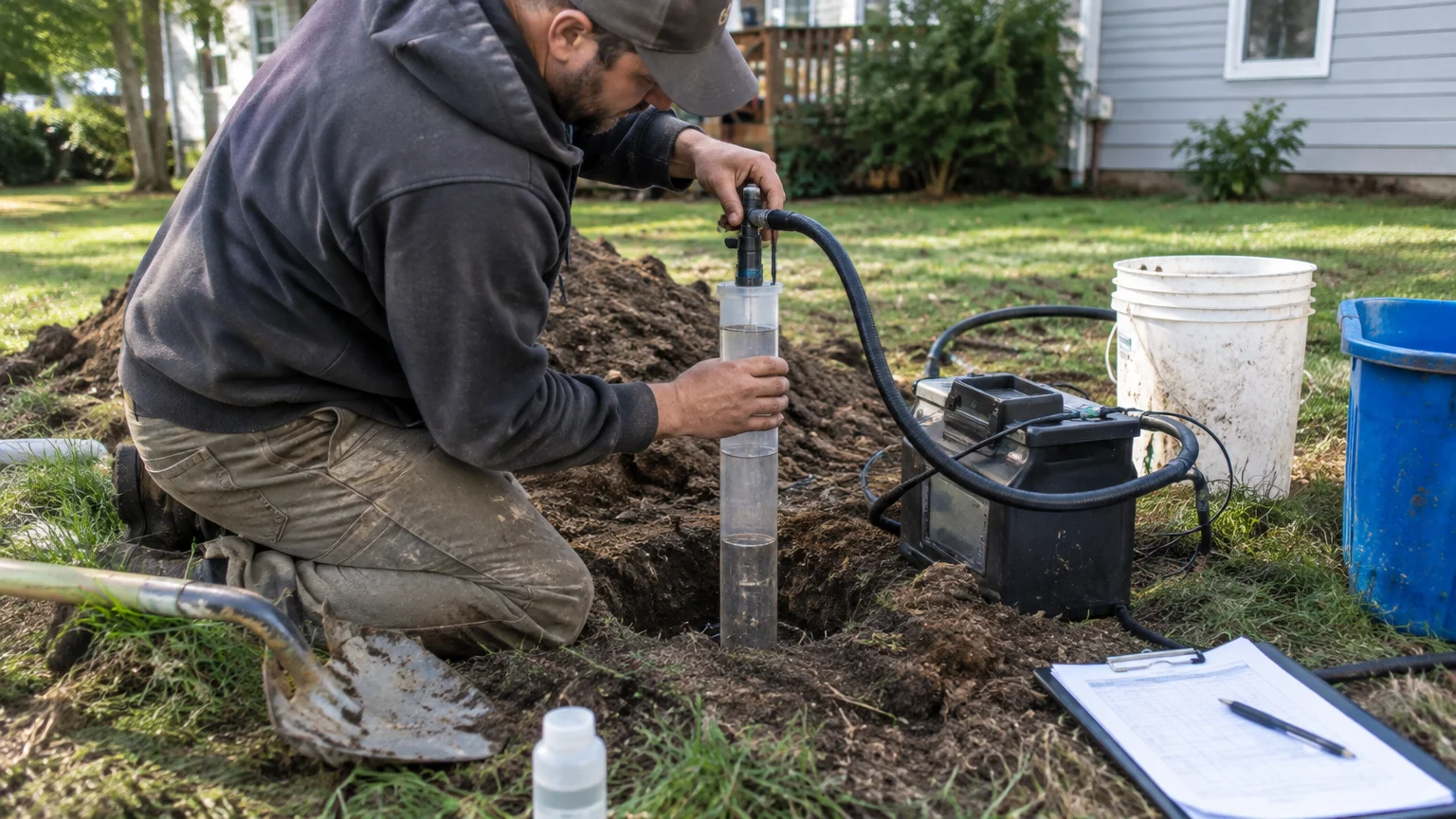
A percolation test, often called a perc test, measures how fast soil absorbs water. It is not the same as a septic inspection. An inspection reviews an existing system. A perc test helps show if a site may support a new or replacement drainfield.
The final cost of a perc test depends on soil, site conditions, test depth, equipment, design needs, permits, and local rules. It may compare differently with an inspection because the work focuses on land around a proposed system, rather than only the tank and plumbing.
When is a perc test needed?
A perc test may be needed when an owner plans to build, add bedrooms, replace a failed system, divide land, or create a new septic area. Local health departments or permit offices may set the process. Rules can differ by state, county, and project.
The test area must be chosen with care. Wet spots, packed soil, a high water table, rock, fill soil, or nearby drainage can affect the result. A failed test does not always mean the property has no options. It may call for a new design or more review.
What should property owners ask first?
Owners should ask which agency oversees the test, if a permit is needed, who prepares the report, and if a site plan is required. They should also ask if the building location and drainfield area are already known.
A perc test does not promise that a septic system will work in every location. It is one part of a site review. The final design may also depend on setbacks, space, groundwater, slope, and local approval.
What does a septic inspection quote usually include?
A septic inspection quote usually describes the visit, areas to check, access work, testing, records review, and report details. The exact scope should be clear before scheduling. Owners should compare quotes by what they include, not only by the final amount.
A quote may cover some or all of these tasks:
- Reviewing permits, service records, and system information.
- Locating the tank and finding access covers when needed.
- Checking the tank, baffles, filter, inlet, outlet, and visible liquid levels.
- Looking for leaks, backups, odors, surface wastewater, or drainfield stress.
- Checking pumps, alarms, control panels, and other parts when present.
- Preparing written findings and noting recommended follow-up work.
What should the report explain?
A useful report should state what the inspector checked and what could not be checked. It should describe visible conditions in plain language. It may recommend pumping, repairs, more testing, engineering review, or contact with the local authority.
Owners should ask if the report fits a sale, purchase, loan, permit, or repair decision. They should also ask if pumping, digging, lab work, engineering design, or permit charges fall outside the inspection scope.
What questions should be asked before scheduling?
Before booking, owners can ask what system is present, if access must be exposed, what records are useful, and how long the visit may take. They can ask how findings will be sent and if the quote changes when hidden conditions appear.
They should also ask what the professional needs that day. Clear access, safe pets, working water, and known records can help. A homeowner does not need to perform technical checks, open tanks, or handle sewage.
When should you schedule a septic inspection or percolation test?
A septic inspection should be scheduled before buying or selling property, when planning construction or remodeling, after signs of trouble, or when records are unclear. A perc test should be planned early for new construction, a replacement system, an addition, or a land change.
Scheduling early gives owners time to address findings. It may also help prevent delays with a sale, permit, building plan, or loan review. A rushed inspection leaves less time for repairs or added testing.
What are common reasons to arrange testing?
Property owners often schedule an inspection for these reasons:
- A home purchase needs a clearer view of the existing system.
- A seller wants records that explain system condition.
- A family plans an addition, bathroom, or bedroom change.
- An owner sees slow drains, wet soil, odors, or sewage backup.
- An investor needs better information before a property decision.
- A failed system may need repair, replacement, or a new drainfield.
A homeowner may safely watch for slow drains, odd odors, wet areas, and sewage signs. They can reduce heavy water use when a backup is present. They should keep people away from unsafe wastewater. They should not dig into the tank, enter it, or attempt electrical pump repairs.
How can owners compare written quotes?
Compare the scope, report type, access work, testing, permits, and follow-up terms. A quote that looks lower may leave out work needed for the property. A quote with more review may be more useful for a sale, permit, or repair choice.
The final cost is confirmed in a quote after the professional understands the site. Septic Tank Service Snellville can help property owners prepare for an inspection or perc test. Owners in Snellville can review the right next step before scheduling.
Frequently Asked Questions
How deep should a septic tank be?
There is no single depth for every septic tank. The tank may be shallow or several feet below the surface. Design, soil, slope, frost concerns, and the site plan can affect its depth. Owners should use records or a trained professional to find it. They should never dig without checking for underground utilities.
How far does a septic tank need to be from a house?
Required separation depends on local rules, property design, soil, wells, waterways, and system type. A general answer may not fit every site. A local permit office or qualified septic professional can explain the rules for Snellville and nearby areas.
How does a septic system work?
Wastewater flows from the building into the septic tank. Solids settle, oils rise, and liquid leaves through an outlet. The drainfield spreads that liquid into suitable soil. Good use, regular septic pumping, proper repairs, and protection from heavy traffic help the system work as designed.
How can a property owner find the septic tank lid?
Start with permits, site plans, pumping records, and the plumbing line leaving the building. A lid may also be near a cleanout or a change in soil. If records do not help, a professional can locate the tank safely. Owners should avoid random digging because utilities may be nearby.
Who installs septic tanks near me?
Licensed or otherwise qualified septic installers usually handle new tanks and system work, subject to local rules. The right provider depends on the project, soil, design, and permit needs. An inspection company may review the current system. An installer or engineer may handle replacement planning, including septic tank replacement.
Key takeaways
- Inspection costs depend on access, system type, condition, records, and scope.
- A septic inspection reviews an existing system, while a perc test reviews soil.
- Tank locating, added testing, permits, and hard access can require more work.
- A written quote should explain what the visit and report include.
- The final cost is confirmed after the property and service needs are reviewed.
Conclusion
A septic inspection is more than a quick look at the tank. The quote may change with access, tank size, system type, records, site conditions, testing, and local rules. A perc test answers a different question by checking how soil may absorb wastewater.
The best next step is to explain the property goal before scheduling. That goal may be buying, selling, building, remodeling, repairing, or learning why the system shows warning signs. A clear scope and written quote help owners make a sound choice without guessing.
Get in touch with Septic Tank Service Snellville today to discuss the right septic service for your property. Contact us to arrange the next step.